
The builder growth system
Custom builders don’t have a marketing problem. They have a lead-to-sale problem — demand, response, nurture, and conversion have to run as one chain. This is what that looks like.
Demand, response, nurture, and conversion sound like separate conversations. In the real world, they are one chain. Break any link and you feel it: you generate leads nobody contacts, you contact people with no clear follow-up, or you can close but the phone is too quiet to feed the machine.
This page is the map. The video below is the full context — how the model fits together, what breaks when one layer is weak, and what we mean when we talk about high-value projects instead of busywork quotes.
Start here: the full system on video
Watch this first. The workshop videos on each pillar page assume you have this frame — one lead-to-sale path, same customer journey.
Why most ‘marketing’ does not fix the builder’s real issue
Many builders come to us after they have already bought pieces: a new website, an ads trial, a CRM login nobody uses, or a funnel that fires leads into an inbox that gets checked when someone has time. None of that is wrong on its own. The failure mode is disconnection — tactics without a single story from first click to deposit.
The most expensive leak is often the one nobody wants to look at: response. A real enquiry comes in, but nobody calls fast enough, nobody qualifies the project properly, and the owner only sees the lead after it has gone cold. That is why human calling and AI first touch now sit inside the system, not beside it.
When we say growth system, we mean the same prospect is intentionally moved through demand, response, nurture, and conversion. Miss one, and you get familiar pain: feast-or-famine, tire-kickers, quoting on nights and weekends, ghosted proposals, or a full calendar that still does not bank the way it should.
The four jobs — and what sits in the middle
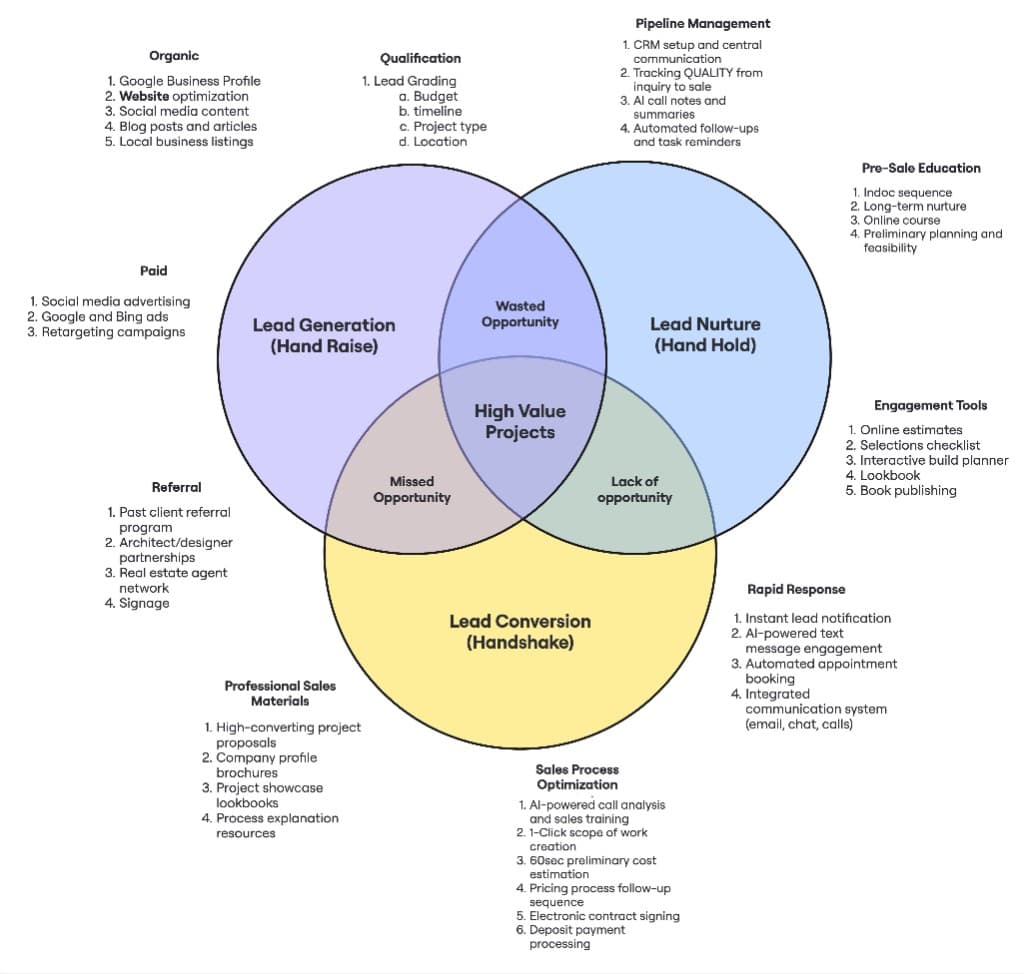
The diagram is simple on purpose. Demand is not ‘more traffic.’ It is the right homeowners finding you through organic presence, paid amplification where it makes sense, and referral channels that match how high-trust projects are actually sold.
Response is the first operational handoff: fast contact, human qualification where needed, project context captured, and a next step created before the enquiry cools off.
Nurture is everything that happens between interest and a serious buying decision — pipeline discipline, education that reduces fear and scope creep, and tools that help people move forward without you re-writing the same email fifty times. Modern stacks use automation and AI for speed; the relationship still belongs to your team.
Conversion is where intent becomes revenue: fast response, a sales process that does not depend on one heroic estimator, and professional materials that match how custom builders win — not a generic proposal template from another industry.
What breaks when a layer is missing
You have probably lived one of these patterns. They are not character flaws; they are systems gaps.
- Demand + nurture, weak conversion: You get attention and conversations, but not enough signed work.
- Demand + conversion, weak nurture: You might land jobs, but quality is uneven — price shoppers, misaligned scope, and margin leaks.
- Response + conversion, weak demand: Your process is fine when someone raises their hand — but inbound is thin or referral-dependent.
And when response is weak, the whole thing looks broken even if the leads are real. The form works. The ads work. The homeowner has a project. Then nobody reaches them properly, and the blame gets pushed back up the funnel.
Fix one leg without the others and you will get a short burst of relief, then the old feeling returns. That is why we treat this as one installed system, not unrelated retainers arguing in your inbox.
Why we teach it as engineering, not slogans
Contractor Scale sits in the uncomfortable middle between ‘marketing agency’ and ‘software chaos.’ Builders do not need more buzzwords; they need a sequence that survives real seasons — when staff turnover happens, when one estimator is on leave, when interest rates move, when the referral well runs dry for a quarter. A growth system is just that: repeatable inputs and outputs you can inspect, not a vibe.
That is why the diagrams look almost boring. Boring scales. What does not scale is a founder answering every lead at 10 p.m. because the ‘system’ lived only in their head.
A few objections, answered plainly
“We already run ads and have a website.” Good — those can be components. The question is whether they feed a single pipeline with clear stages, or whether they are isolated expenses you cannot connect to signed work.
“Our problem is really just more leads.” Sometimes true. Often it is really a conversion or nurture problem wearing a lead-gen mask. If close rate and average project value are weak, volume multiplies the wrong kind of busy.
“We are too small for a system.” Small firms feel the pain fastest — one bottleneck is the whole company. You do not need enterprise software; you need a coherent sequence, even if some steps are manual at first.
How this connects to revenue stage
The sequence stays constant; the emphasis shifts as you grow. What you tighten first at under $500k is not the same as at $2M+ — same model, different bottleneck. When you want that broken out by stage, we map it on the Builder Growth Roadmap. It is optional reading; the video above is the master context either way.
Go deeper: one workshop per system area
Each pillar page includes a focused workshop that goes deep on that part of the system — still inside the same story you watched at the top of this page. Use them in order if you can; skip ahead only when you already know where you are bleeding.
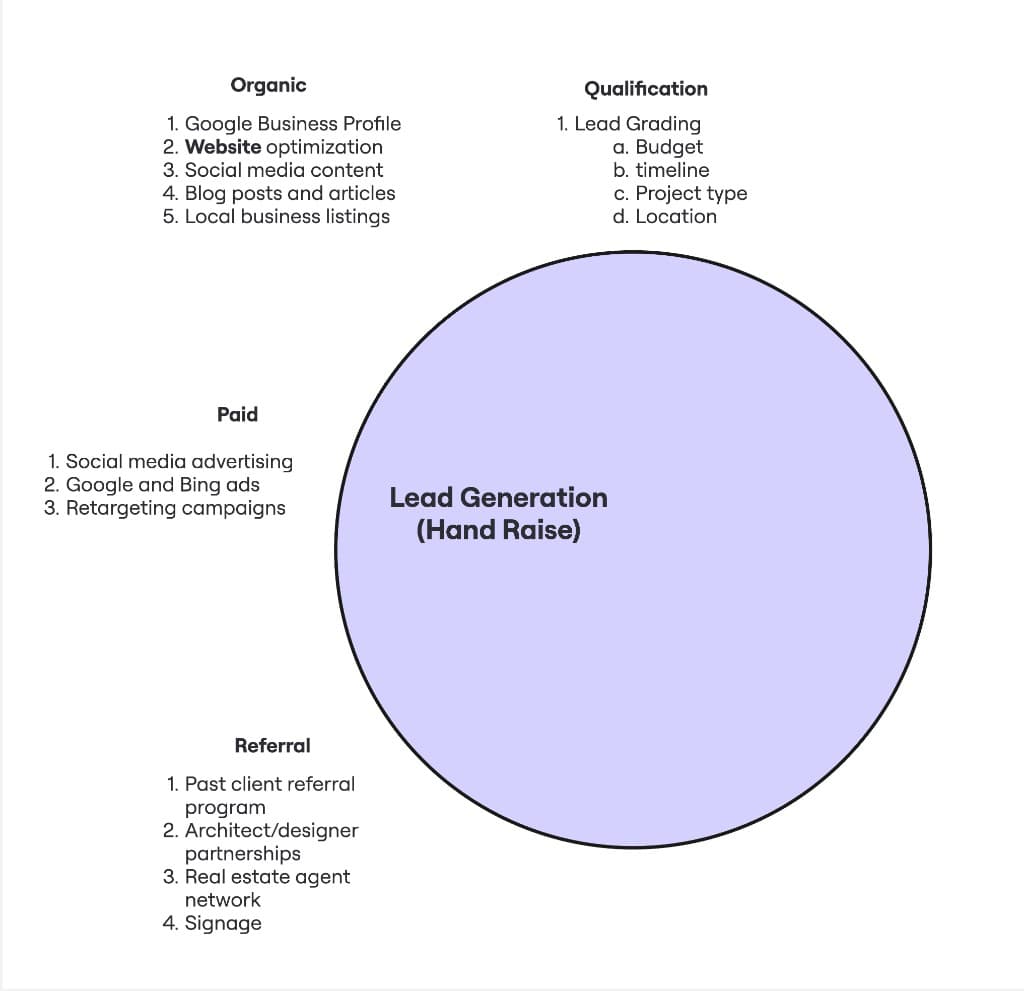
Lead generation
Fill the top of the funnel with the right homeowners — organic, paid, referral — then grade before your team burns hours.
Open pillar + workshop →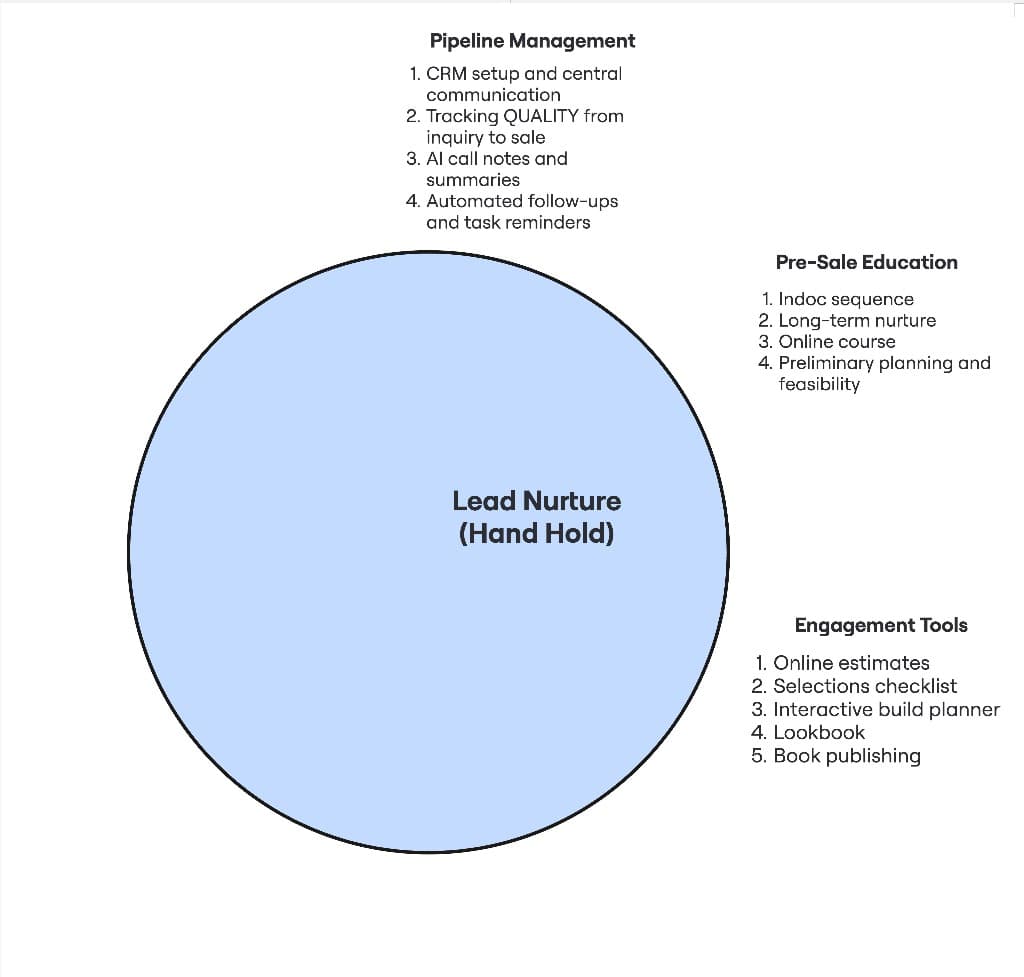
Response and nurture
AI and human first touch, qualification, pipeline, education, and tools that move serious prospects forward.
Open pillar + workshop →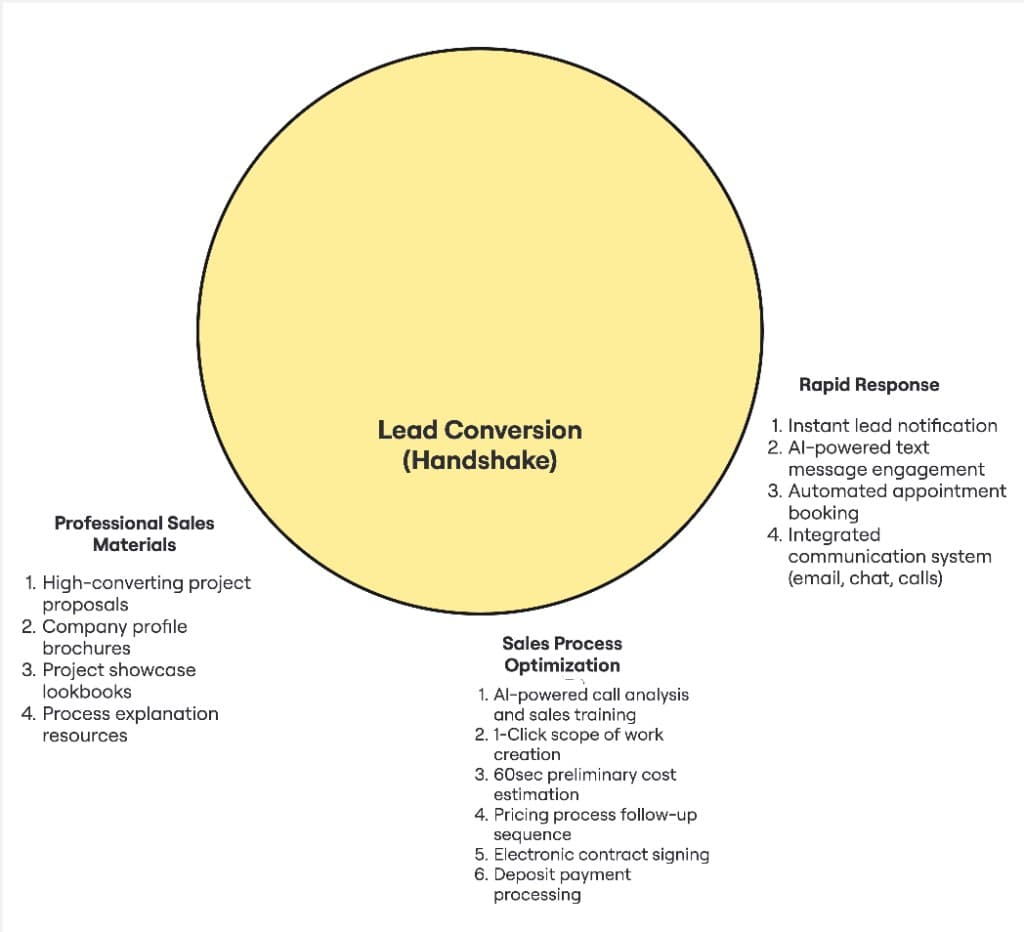
Lead conversion
Turn intent into deposits — speed, a repeatable sales process, and materials that match how builders actually win work.
Open pillar + workshop →PDF, playbooks, and self-serve assets
If you want the packaged PDF and hosted walkthrough, use the system download page. For written deep dives by tactic, the playbooks mirror how we teach — lead generation, automation, sales and feasibility, and more.
If you are evaluating implementation support by geography, see home builder marketing in New Zealand and home builder marketing in Australia for region-specific context and market fit.
To see this system applied to real builder businesses — spend, leads, and outcomes on record — read the client case studies.
Builder proof
Builders already running this system
Named clients, verified figures, one proof angle per story. Review the outcomes before deciding on fit.
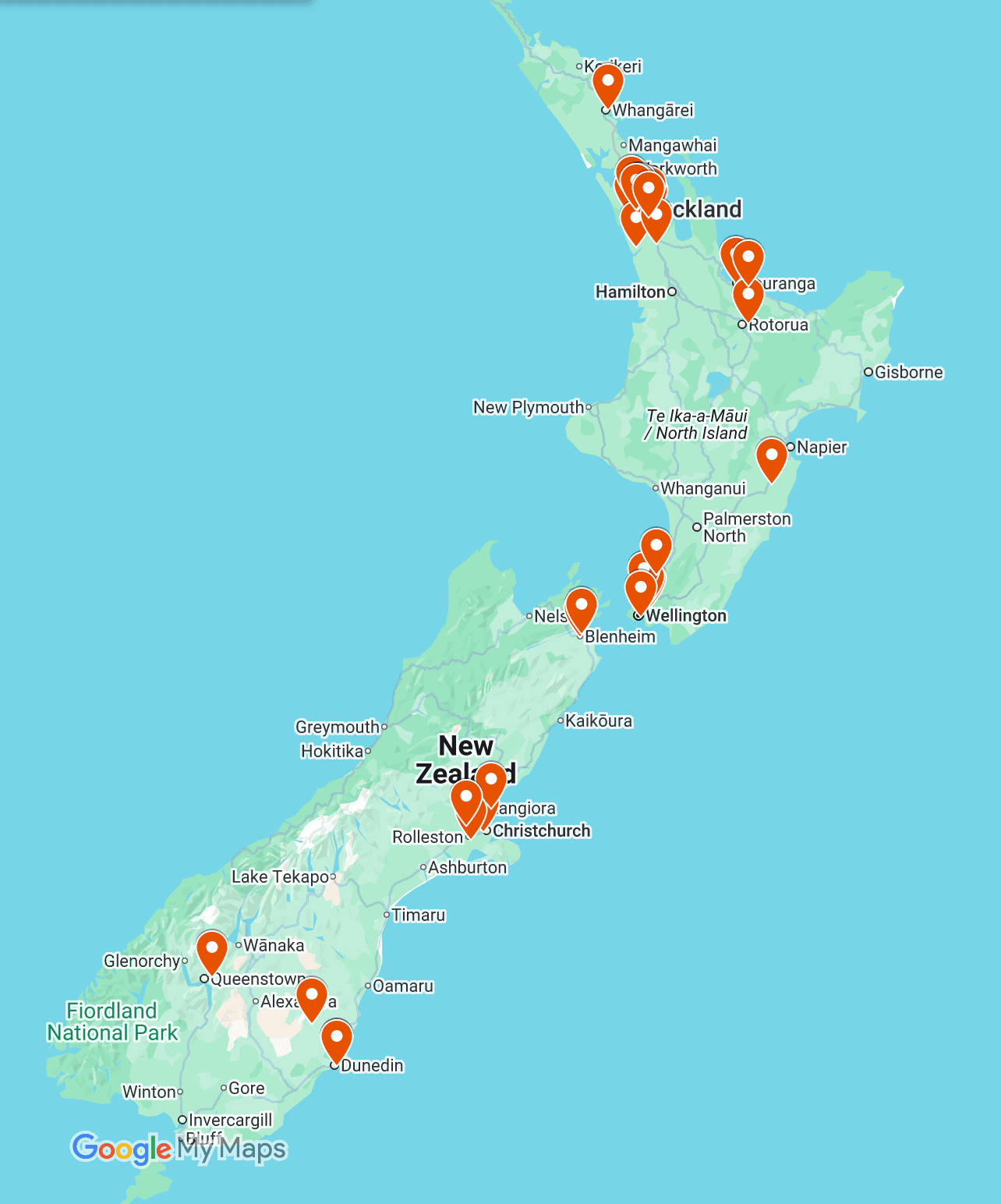
JRA Construction · Auckland
Auckland townhouse project: demand that matched a multi-unit sell-down
JRA needed buyers for a tight eight-unit programme — not tyre-kickers. Four Meta lead-generation angles (General, Young Pros, Investors, Growing Families) produced 287 form leads at about $4,424 spend. When every property in the development was under contract, the client asked to pull the ads.
- Units — all under contract
- 8
- Lead form results
- 287
- Total Meta spend
- $4,424
- Blended cost per lead
- ~$15.41
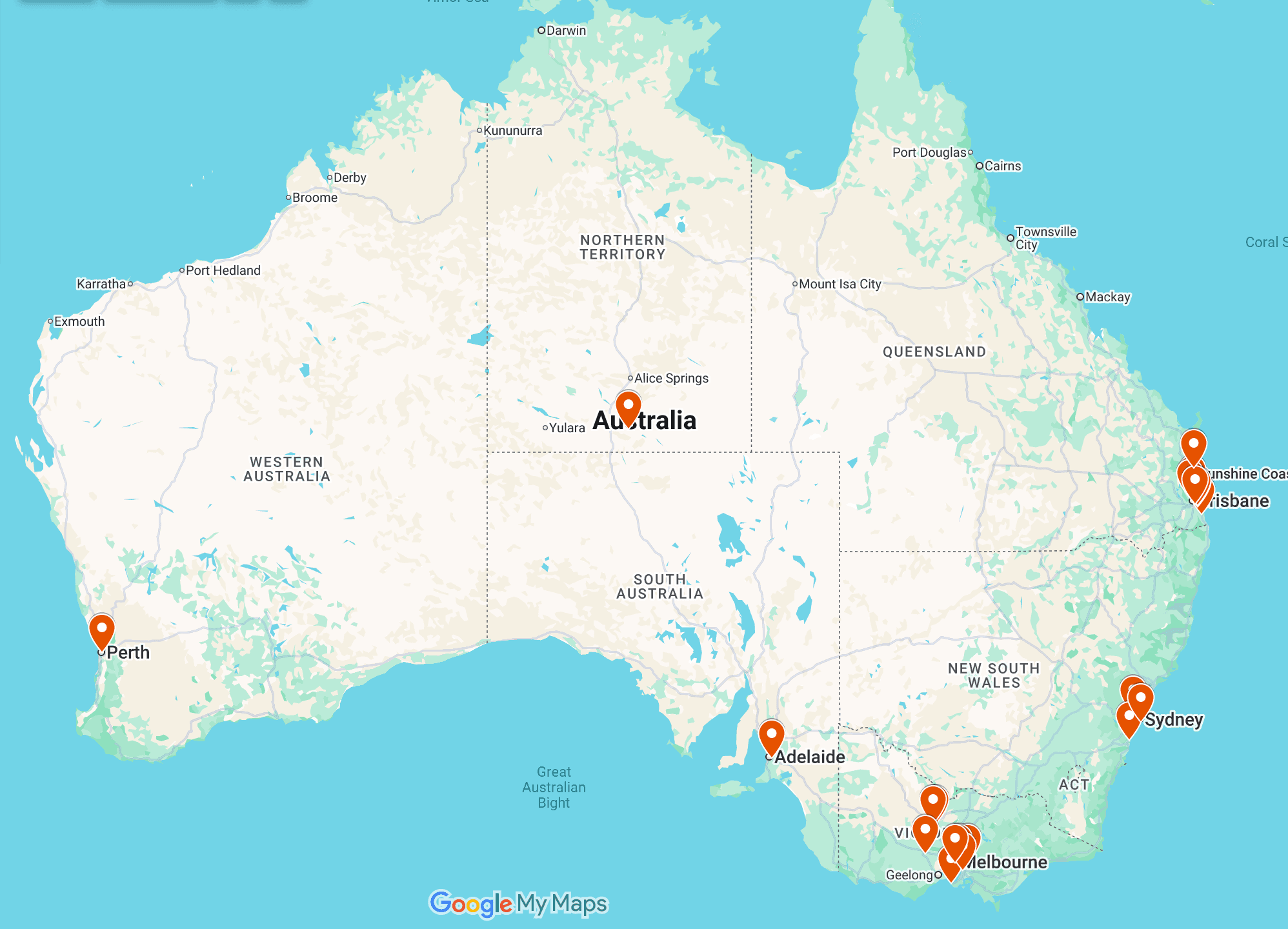
Davies Building · Brisbane
Brisbane remodels: search intent into two solid contracts — not quote fodder
Google Ads reached homeowners already looking to remodel in Brisbane. Two solid projects advanced from that demand. Poor-fit enquiries were ruled out fast rather than chased.
- Projects contracted
- 2 major remodels
- Combined project value
- ~$1.2M
- Primary channel
- Google Ads
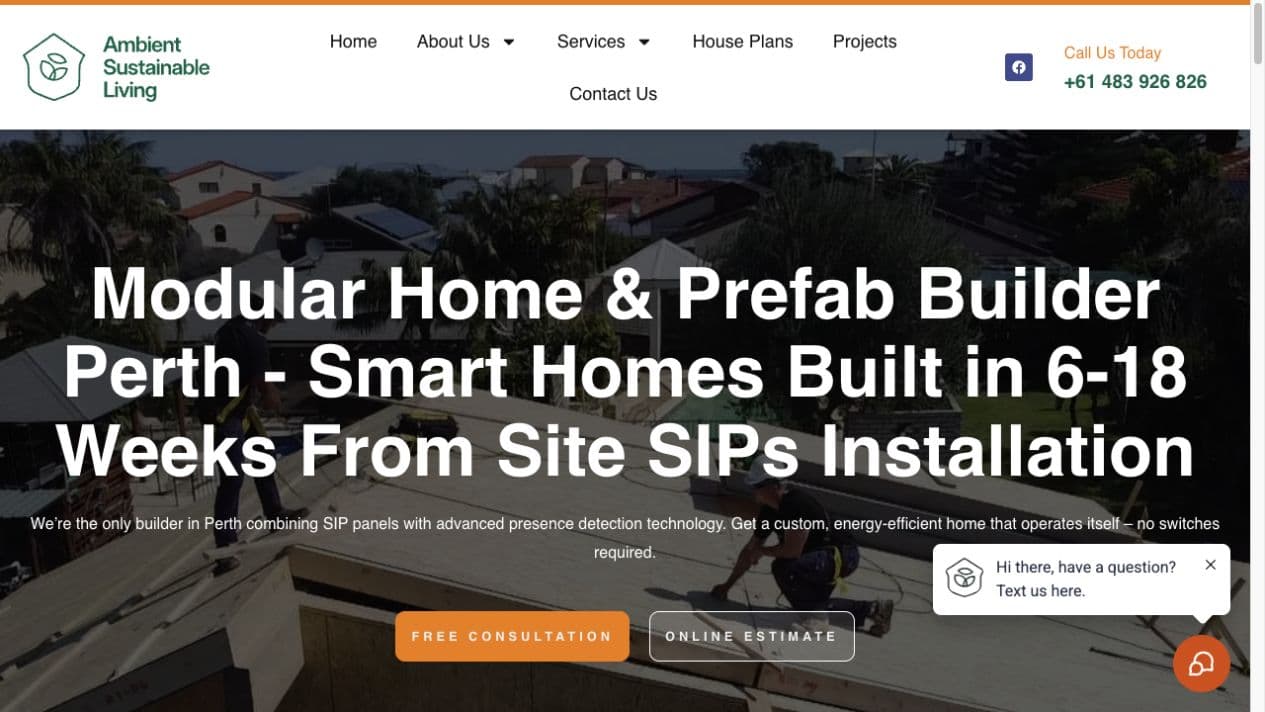
Ambient — Sustainable Living · Perth
Two signed design contracts in one week. Nine homes moving towards construction.
Ambient Sustainable Living started with a new brand in Perth. We built its identity, website and marketing foundations, then helped connect demand to a usable sales process. By September 2026, Holger reported two new Phase 1 design agreements signed in one week and nine homes moving towards construction.
- Homes moving towards construction
- 9
- Signed Phase 1 agreements
- 2 in one week
- Building contracts expected next
- 3
If this describes your builder business
The fastest way to see where you are leaking demand, time, or margin is a structured look at your pipeline — not another generic marketing pitch.
Want to understand implementation levels first? Review the plans, then come back when you are ready for a fit conversation.