Local market context
Why the market needs a different sales path.
Next step
Want to know if your market is open?
The Builder Growth Assessment uses your reported stage and stated constraint to suggest a lane before qualified builders verify territory with us.
Start the Builder Growth AssessmentScale, noise, and the aggregator problem
Lead aggregators — Angi, HomeAdvisor, Houzz, Thumbtack — built their businesses on volume and urgency. The same lead sent to multiple contractors. The builder who calls back first gets the conversation; everyone else wasted margin on a cold call that went nowhere.
This model works for service and repair trades. It doesn't work for custom home builders and design-build firms where the project relationship is earned over months, not assigned by algorithm. Homeowners planning a $1.5M+ custom home don't want three builders cold-calling them. They want to find one builder they can trust — through research, proof, and education.
Owned demand is the structural answer: search rankings for your specific market and project type, content that earns trust before the first call, and a follow-up system that nurtures long-cycle buyers without burning your team's time on unqualified conversations.
Owned demand vs. rented leads
Buying leads from aggregators is renting attention. The moment you stop paying, the calls stop. And the same call went to three other builders willing to race to the bottom on price just to fill a calendar.
Builders who escape this cycle build authority: search rankings for their specific geography and project type, content that answers what their ideal clients are actually researching, and a follow-up system that turns early-stage interest into long-term relationships. When a homeowner spends 40 minutes on your website before they call, the conversation is different. So is the project.
The transition from rented to owned demand takes longer than buying the next lead batch. But the compounding effect — more organic traffic, warmer leads, higher close rates on better-fit work — is what separates the builders who grow from the ones who just stay busy.
High-intent local search in the US
US custom build searches are hyper-local: 'custom home builder Austin,' 'design-build remodeler Nashville,' 'luxury home builder Scottsdale,' 'renovation contractor Northern Virginia.' National terms are dominated by aggregators and franchise brands. Local specificity is where independent custom builders can and should compete.
Content depth and geographic specificity together produce defensible rankings. A builder with a detailed explanation of their process, project type, and local market context ranks above a competitor with a photo gallery and a phone number — because Google and homeowners' trust signals both reward genuine expertise.
Retargeting is particularly effective in the US because of the extended research cycle for high-value projects. A homeowner who visited your project gallery six months ago and is now actively searching for a builder is a warm opportunity — and a system that captures and re-engages those visitors has a structural conversion advantage.
Design-build and the evolving US market
The design-build model is gaining consistent ground in US residential construction. Homeowners increasingly prefer a single point of contact from initial concept through completion — which changes how they research, who they trust, and what their first question is when they find a builder's website.
Design-build marketing requires content that explains the model, addresses the 'what does this cost vs. hiring separately' question, and demonstrates integrated project management. It's an educational sale. The marketing system has to reflect that — not borrow from the general contractor or remodeller playbook.
Builders operating on a design-build model have a stronger story to tell about process, quality control, and client experience. But only if the marketing actually tells that story. A design-build website that looks like a general contractor site loses the positioning advantage before the conversation starts.
Select US engagements — the territory model
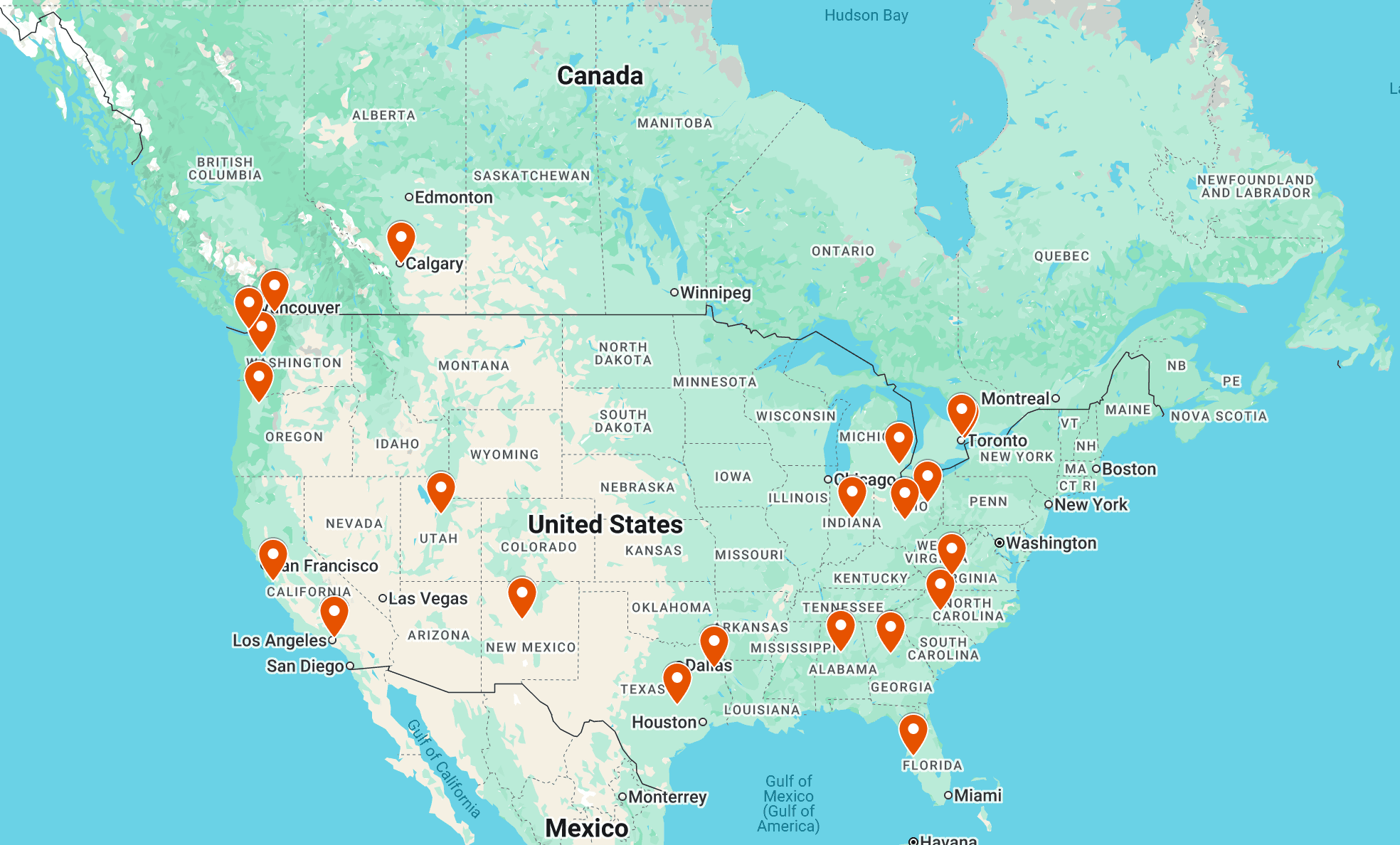
Contractor Scale takes select US builder partnerships and enforces territory exclusivity by market. We don't stack competitors in the same metro, and we're direct about whether a specific market and business stage is the right fit.
The US is our highest-growth international market and we're selective about where we commit. Markets that work well tend to be mid-size cities with strong custom build activity and limited competition from sophisticated digital operators — not always the largest metros.
The Builder Growth Assessment is the two-minute entry point. Qualified builders can then book a 45-minute Builder Growth Strategy about the market, constraint and what the system could realistically produce.